
The Role of Technology in Modernizing Infrastructure Tenders
Introduction: The Evolution of Infrastructure Tendering
Infrastructure tenders have traditionally involved complex, paper-based processes that were time-consuming and often lacked transparency. The need for modernization through technology has become essential to improve the efficiency and accountability of tendering for Public-Private Partnerships (PPP) and other infrastructure projects.
Over the past decade, digital platforms and technological tools have transformed how governments and contractors approach infrastructure procurement, shifting away from manual workflows toward automated, data-driven systems that streamline each phase of project lifecycle management.
Key Technologies Revolutionizing Infrastructure Tenders
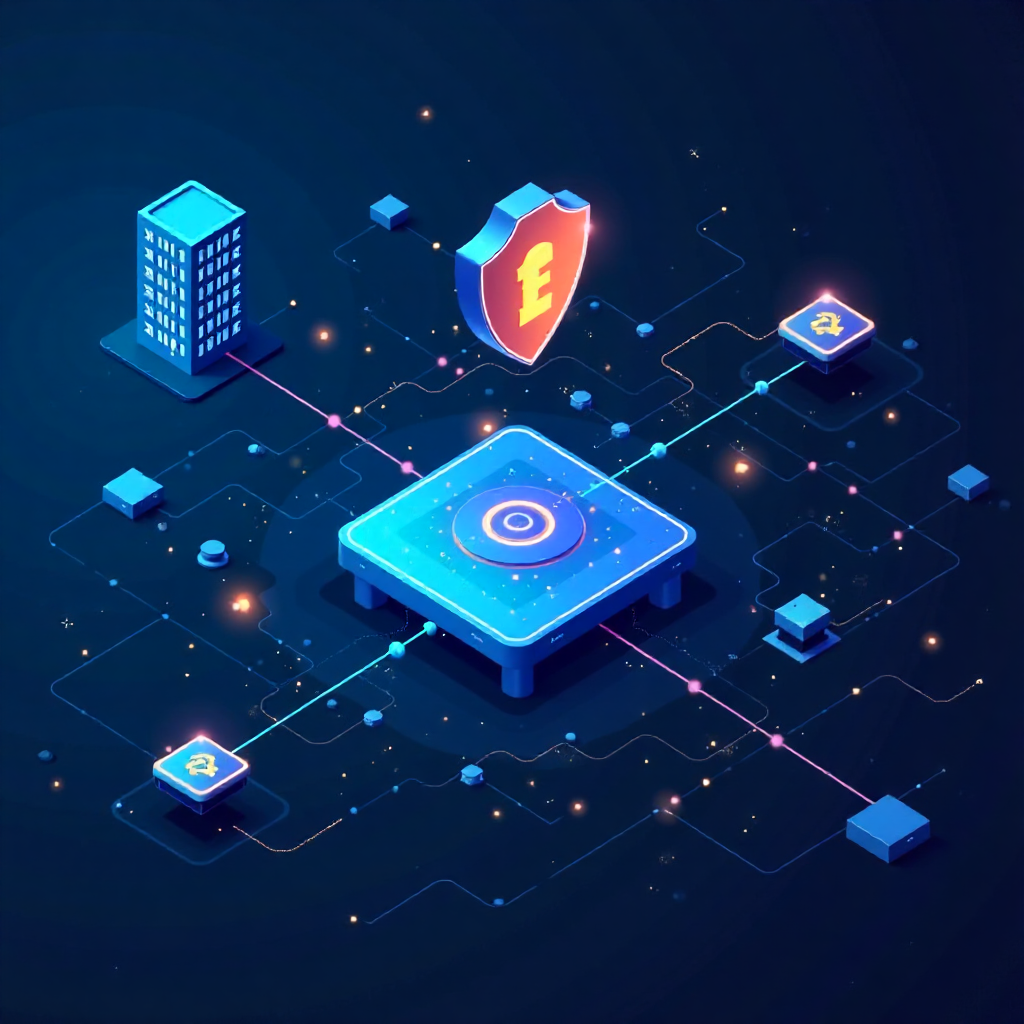
Several core technologies are driving the modernization of infrastructure tenders today, including e-procurement systems, blockchain technology, artificial intelligence (AI), and data analytics. Each plays a distinct role in improving processes.
- E-procurement systems automate tender submissions, evaluations, and contract awards via centralized digital platforms, reducing paperwork and administrative overhead.
- Blockchain technology secures data immutably and enhances tender transparency by providing a verifiable record of transactions and bids accessible to all stakeholders.
- Artificial Intelligence (AI) assists in analyzing tender bids objectively, spotting patterns, and predicting project risks or contractor performance based on historical data.
- Data analytics provides actionable insights during tender evaluation, enabling better decision-making and forecasting throughout the project lifecycle management.
Collectively, these tools create an ecosystem where infrastructure tenders become faster, more transparent, and more collaborative.
Benefits of Technology Adoption in Infrastructure Procurement
Technology adoption in infrastructure procurement brings tangible benefits such as improved transparency, increased efficiency, cost savings, and enhanced decision quality.
- Tender transparency improves as digital platforms and blockchain create an open audit trail, reducing fraud and favoritism.
- Process efficiency is boosted by automated workflows that minimize manual tasks, speeding up tender evaluations and contract awards while reducing human error.
- Cost savings are achieved through reduced paperwork, fewer delays, and the ability to assess the best value bids using data-driven criteria rather than subjective judgement.
- Stakeholder collaboration is facilitated by centralized platforms that enable seamless communication and document sharing between government agencies, contractors, and consultants.
These advances ultimately lead to smarter project lifecycle management, reducing delays and improving infrastructure delivery.
Challenges and Considerations in Tech Integration
Despite clear benefits, integrating technology into infrastructure tenders also presents challenges. Implementation costs for advanced e-procurement and blockchain systems can be significant, especially for government agencies with limited budgets.
Additionally, user adaptation is a major hurdle. Staff and contractors accustomed to traditional processes may resist change, necessitating comprehensive training and ongoing support to ensure smooth adoption. Cybersecurity risks also increase as digital tender platforms become targets for data breaches or manipulation, requiring robust protocols and continuous monitoring.
Balancing these obstacles requires a thoughtful approach emphasizing scalable solutions, incremental rollouts, and collaboration with experienced technology providers. Understanding the potential trade-offs and having clear policies mitigates pitfalls associated with modernization.
Case Studies: Successful Tech-Driven Tender Projects
Several infrastructure projects worldwide demonstrate the positive impact of technology in tenders and PPPs.
- Estonia’s e-Procurement System: Estonia’s government implemented a fully digital e-procurement platform that increased tender transparency and participant numbers by 30%, while reducing processing times by nearly half.
- Blockchain in Dubai’s Infrastructure Tenders: Dubai introduced blockchain to record tender bids immutably, ensuring fairness and enabling real-time audit trails that improved stakeholder trust in large PPP infrastructure deals.
- AI-Powered Bid Evaluation in Canada: A Canadian provincial government used AI algorithms to evaluate bids for highway infrastructure, resulting in objective scoring that highlighted best-value proposals and saved an estimated 12% in project costs.
These cases highlight how combining technologies fosters improved tender outcomes and better public infrastructure delivery.
Future Trends: The Next Frontier in Digital Infrastructure Tenders
The digital transformation of infrastructure tenders is set to continue with emerging trends such as advanced AI-driven predictive analytics, integrated Internet of Things (IoT) data streams for real-time project monitoring, and smart contract automation via blockchain.
Virtual and augmented reality (VR/AR) will also enhance stakeholder collaboration by providing immersive project visualizations during tender evaluations. Additionally, augmented data transparency could foster participatory governance models where citizens can track and input on public infrastructure projects.
Adopting open data standards and AI-powered risk management tools will further increase efficiency and certainty in PPP procurement, accelerating project delivery under complex contracting environments.
Conclusion: Embracing Technology for Smarter Infrastructure Procurement
Technology is fundamentally reshaping how infrastructure tenders and PPP projects are procured. By leveraging e-procurement systems, blockchain, AI, and data analytics, stakeholders can achieve unparalleled transparency, efficiency, and collaboration across the project lifecycle management.
While challenges in implementation and user adaptation exist, the long-term benefits of digitizing tender processes—greater accountability, cost savings, and improved infrastructure outcomes—make technology adoption imperative. Business professionals and public agencies should actively embrace these tools to modernize infrastructure procurement and build more resilient, future-ready public projects.
FAQ
What technologies are most commonly used in infrastructure tenders today?
E-procurement systems, blockchain technology, artificial intelligence (AI), and data analytics are the most prevalent technologies used to streamline infrastructure tendering and PPP project procurement.
How does blockchain improve transparency in tender processes?
Blockchain creates an immutable and decentralized ledger that securely records every step of the tender process, making bid submissions, evaluations, and contract awards verifiable and tamper-proof for all stakeholders involved.
What challenges do organizations face when adopting e-procurement?
Common challenges include high initial implementation costs, resistance from users used to traditional methods, the need for comprehensive training, and cybersecurity risks tied to digital platforms.
Can AI help in evaluating tender bids more objectively?
Yes, AI uses algorithms and historical data to analyze bids impartially, detect anomalies, predict risk, and recommend best-value proposals, reducing subjective bias in the evaluation process.
What are the future trends in digital infrastructure procurement?
Emerging trends include AI-driven predictive analytics, IoT integration for real-time monitoring, blockchain-based smart contracts, VR-enhanced collaboration, and open data initiatives to increase transparency and stakeholder engagement.